Role & Responsibilities
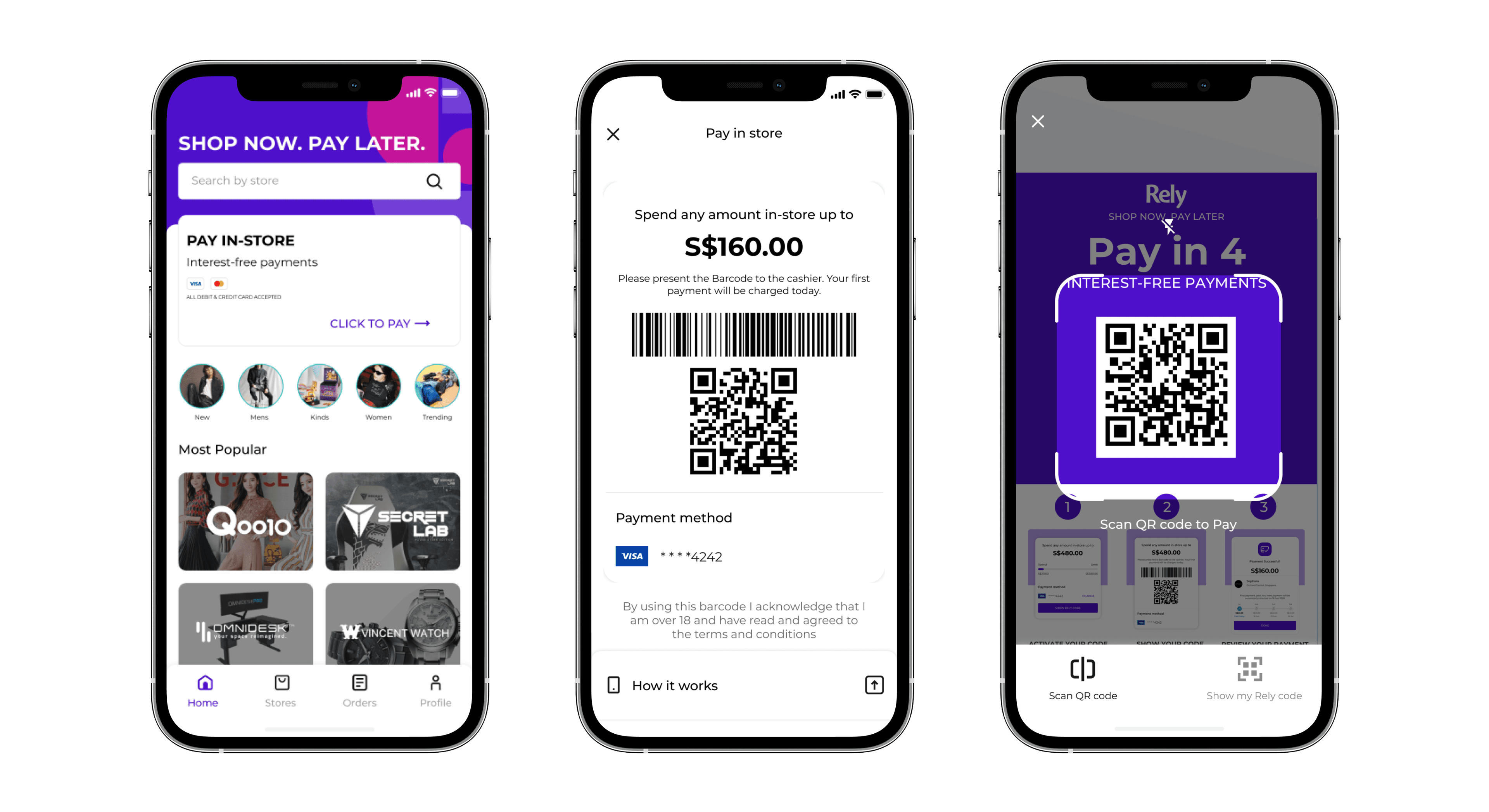
Led the mobile-first payment experience design for Rely’s pay-later product, focusing on checkout, installment selection, QR-based payments, and payment confirmation flows.
My contribution
Designed the core payment experience, simplified the checkout journey, improved installment visibility, created QR payment flows, and refined confirmation states to reduce friction and improve payment success.
Discipline
Product design, mobile UX, payment experience, fintech UX, user research, and interaction design.
Team structure
Worked with product managers, engineers, business stakeholders, and merchant teams to design payment flows that supported both online and offline purchase journeys.
Flexible payments only worked if checkout still felt clear, fast, and trustworthy. The experience had to simplify payment selection, improve installment visibility, and make the transaction feel secure and easy to complete.
Overview
Making pay-later simple and accessible
Rely’s users needed a fast and trustworthy way to split payments without feeling overwhelmed during checkout. The experience had to simplify payment selection, improve installment visibility, and make the entire transaction feel secure and easy to complete. The goal was to make flexible payments feel familiar, transparent, and effortless for younger shoppers.
The challenge
Reducing friction in installment payments
Users were interested in flexible payments, but the process often felt unclear during checkout. Users needed repayment details before they could commit with confidence. The challenge was to simplify the flow while maintaining trust, clarity, and speed.

Accessibility to flexible payments
Users needed payment options that felt accessible across both digital and in-store purchase moments, without extra steps to qualify for flexible payments.

Checkout experience
The payment flow had to reduce friction and help users complete transactions faster.

Merchant and offline payments
The experience needed to support QR-based payments and merchant-led checkout flows.
Research
Understanding payment behavior and trust gaps
User research showed that shoppers wanted flexibility, but they also needed clarity before committing to an installment plan. Trust depended on clear amounts, due dates, and confirmation states.
Key metrics
68%
Users needed clearer information before choosing an installment option.
54%
Users found repayment schedules difficult to understand during checkout.
31%
Users dropped off when payment confirmation or next steps were unclear.
Design response
Designing for clarity, speed, and trust
The payment flow had to reduce doubts before asking users to pay. I simplified checkout, improved repayment visibility, added clearer confirmation states, and designed QR-based flows for merchant payments.
Key features
Flexible payment options
We made installment choices visible before users entered the payment flow.
Users could view installment choices clearly before making a payment, helping them understand the total amount, repayment schedule, and due dates.
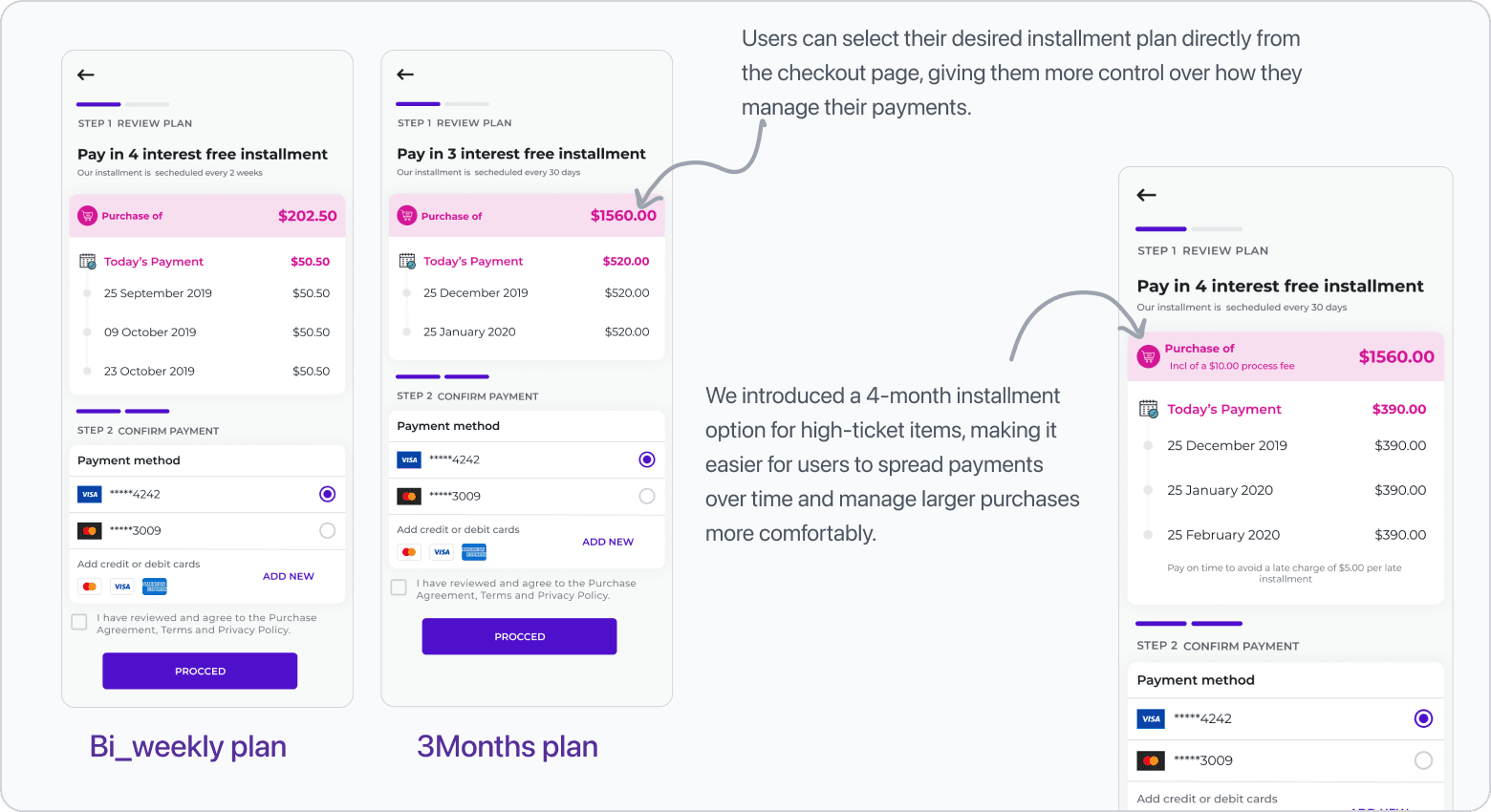
Benefit: This increased purchasing power, reduced cart abandonment, and encouraged more high-value transactions.
Digital keypad entry
A simplified amount-entry flow helped users complete payments faster with fewer steps.
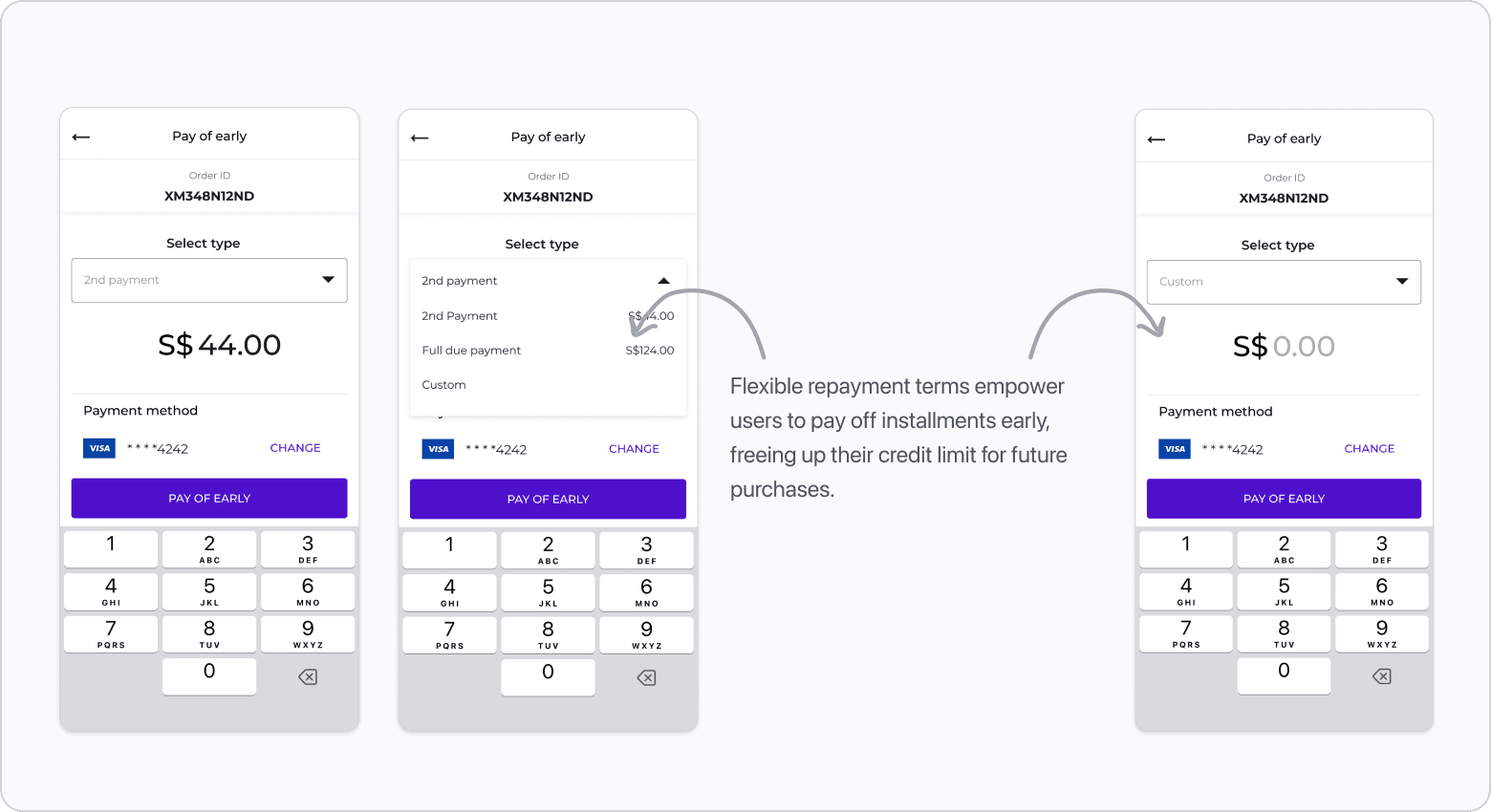
Benefit: This flexibility empowered users to manage payments according to their needs, improving user retention and engagement.
Merchant checkout flow
QR and merchant-led payments needed guidance beyond the online checkout path.
The checkout flow supported merchant-led and QR-based payment scenarios, making offline transactions easier to complete.
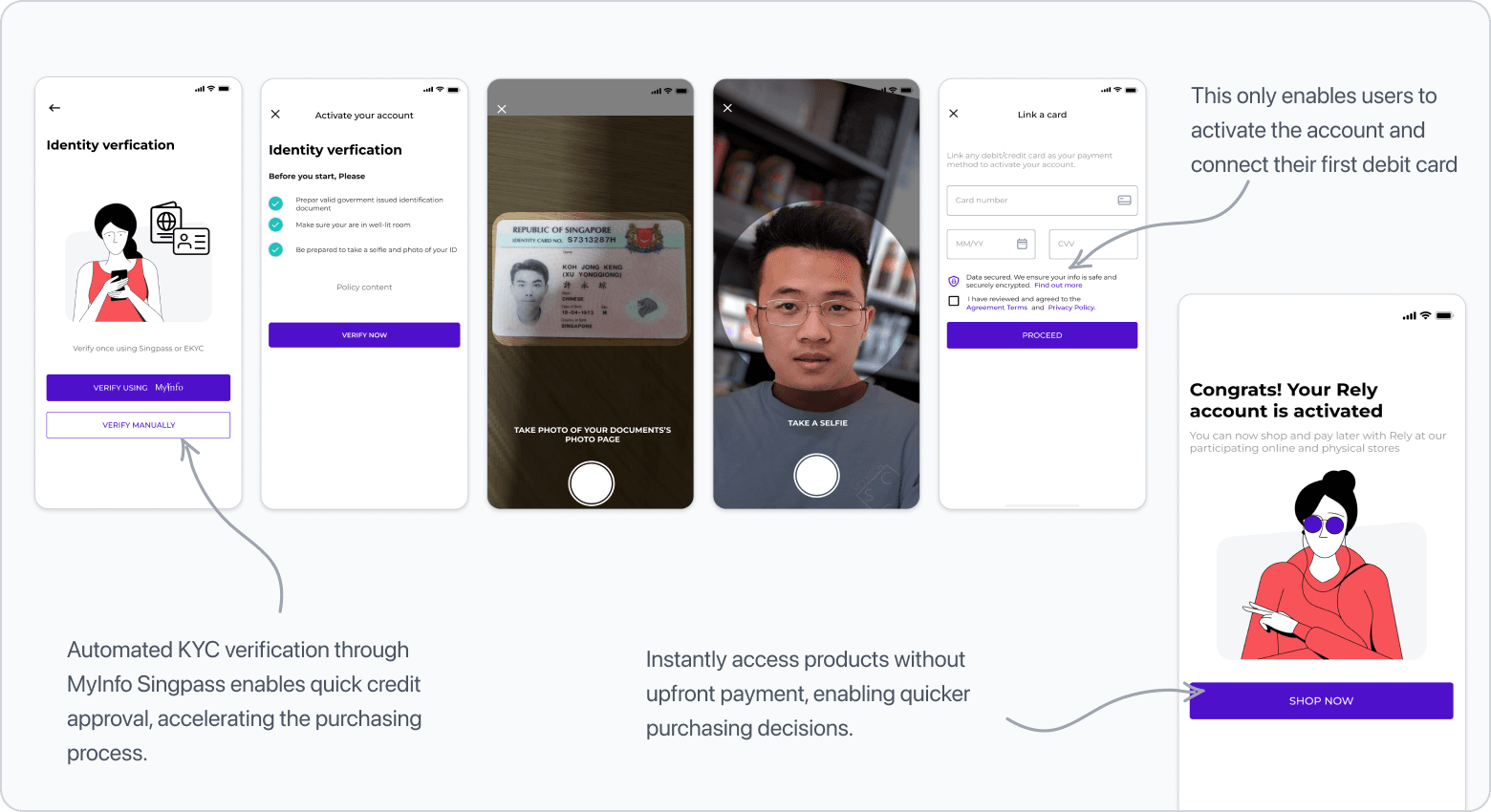
Benefit: This allowed users to enjoy quick access to funds, promoting faster purchases and improving overall satisfaction.
Unified payment experience
The experience connected online and offline payment journeys, helping users manage purchases and payment status in one place.
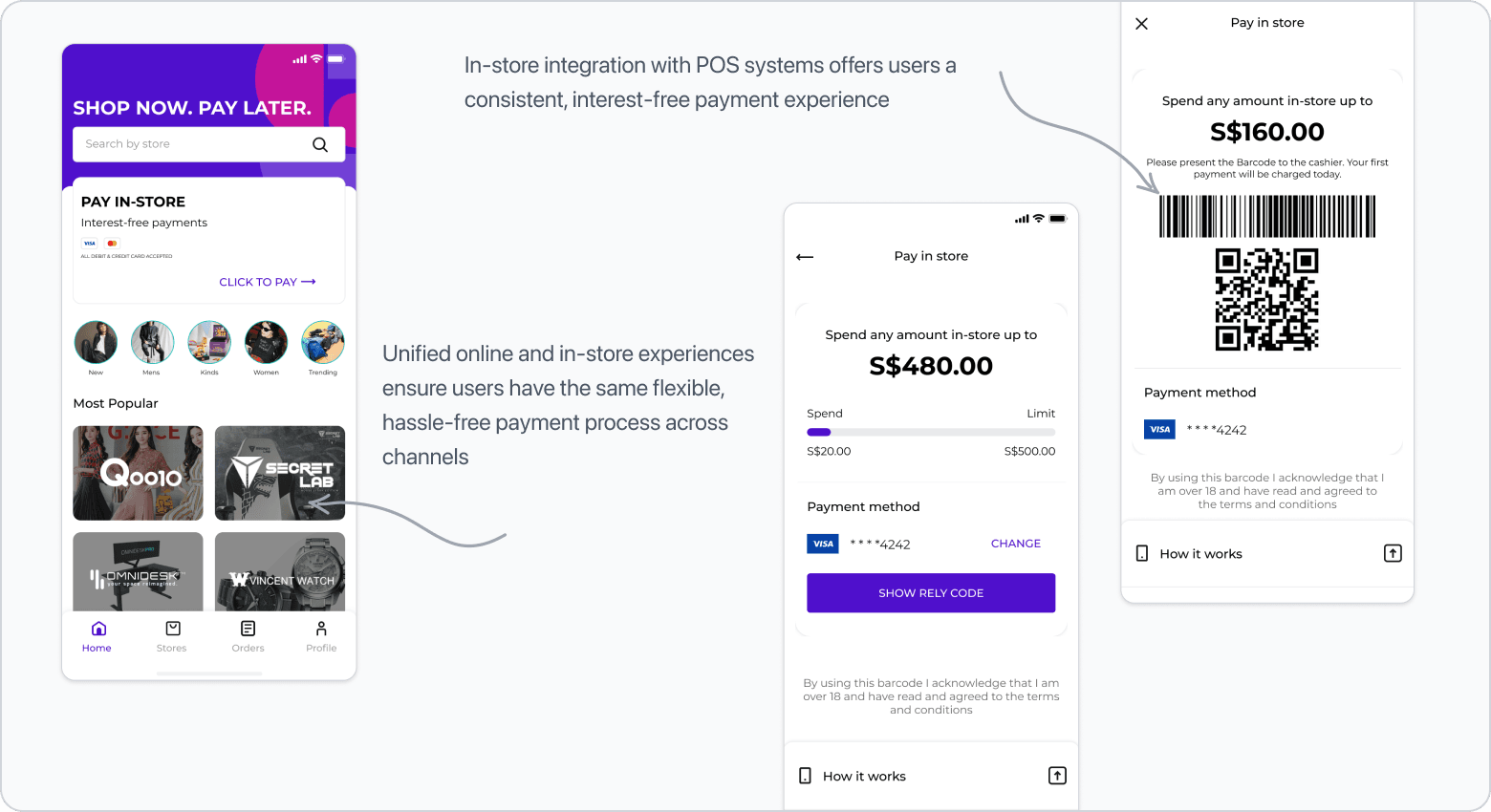
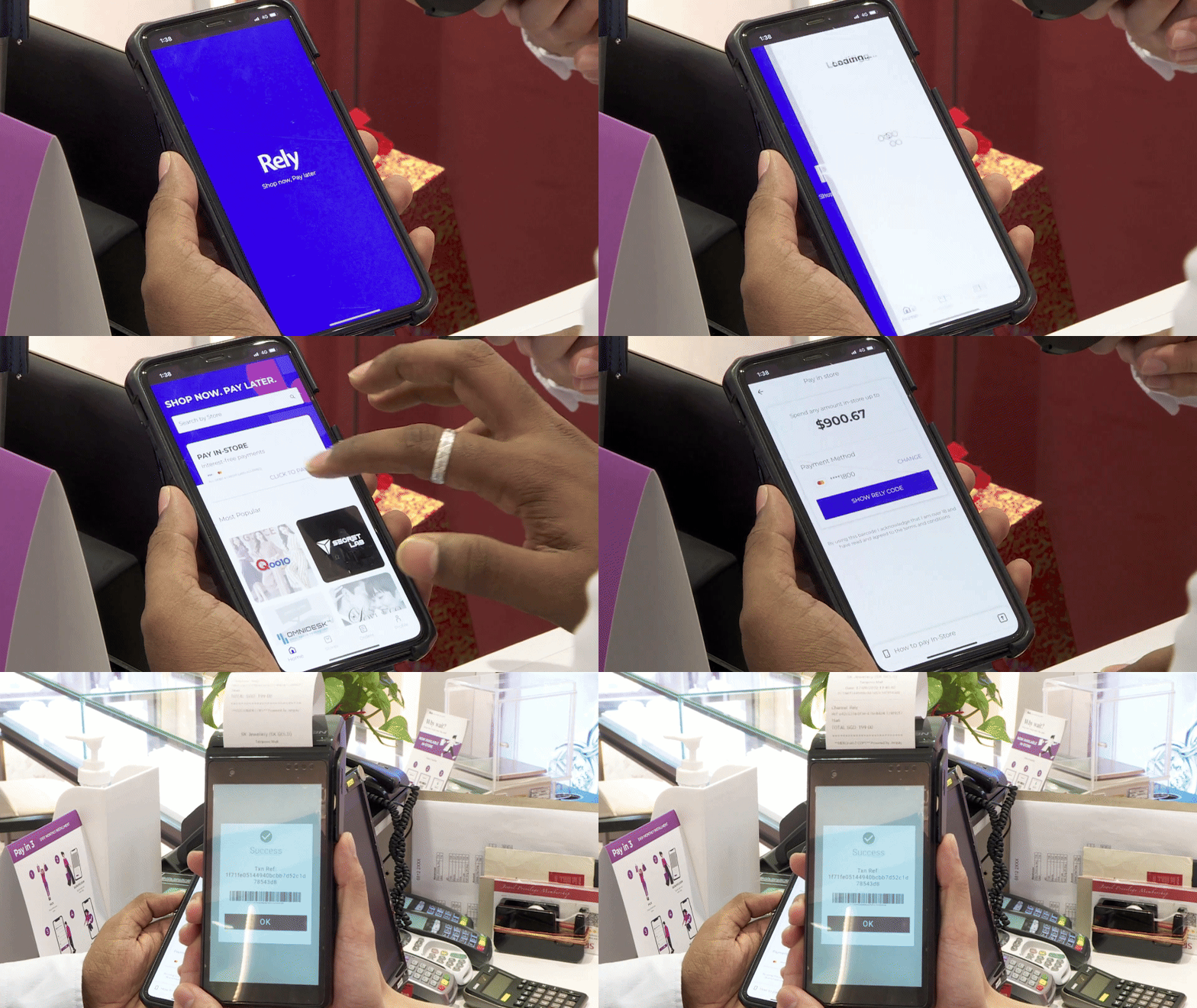
Benefit: This expanded users’ purchasing power, making it easier for them to shop across multiple channels while improving their overall shopping experience.
Outcomes
Clearer confirmation and repayment visibility reduced confusion throughout the checkout journey.
25%
Increase in payment success
A clearer payment flow helped more users complete transactions successfully.
40%
Faster payment flow
Simplified steps and clearer UI reduced the time needed to complete payments.
30%
Reduction in payment drop-offs
Improved confirmation and repayment visibility reduced confusion during checkout.
Learnings
Payment experiences earn confidence by making every next step obvious.

Trust is key
Payment experiences need clear amounts, due dates, and confirmation states to build user confidence.
Clarity reduces friction
Simple language and transparent installment details helped users make faster decisions.
Offline flows need guidance
QR-based and merchant-led payments needed strong visual guidance to avoid confusion.